
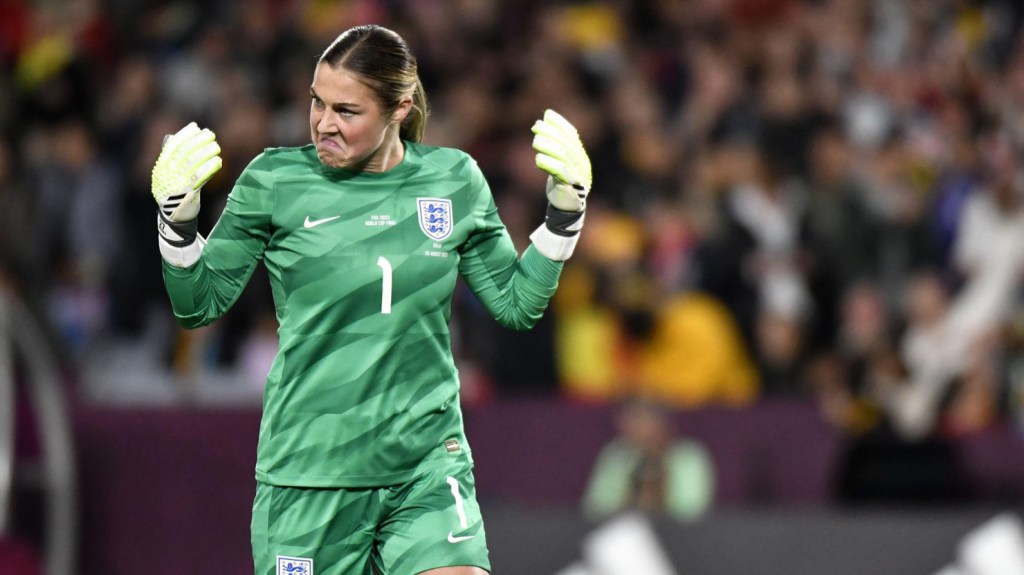
It was announced this week that England goalkeeper Mary Earps’ World Cup jersey will be available for fans to buy, after a u-turn by sportwear giant Nike. In fact, to call it a “u-turn” does not do justice to the very public clusterf*ck which Nike has created around what should have been one of the easiest decisions the brand has had to make.
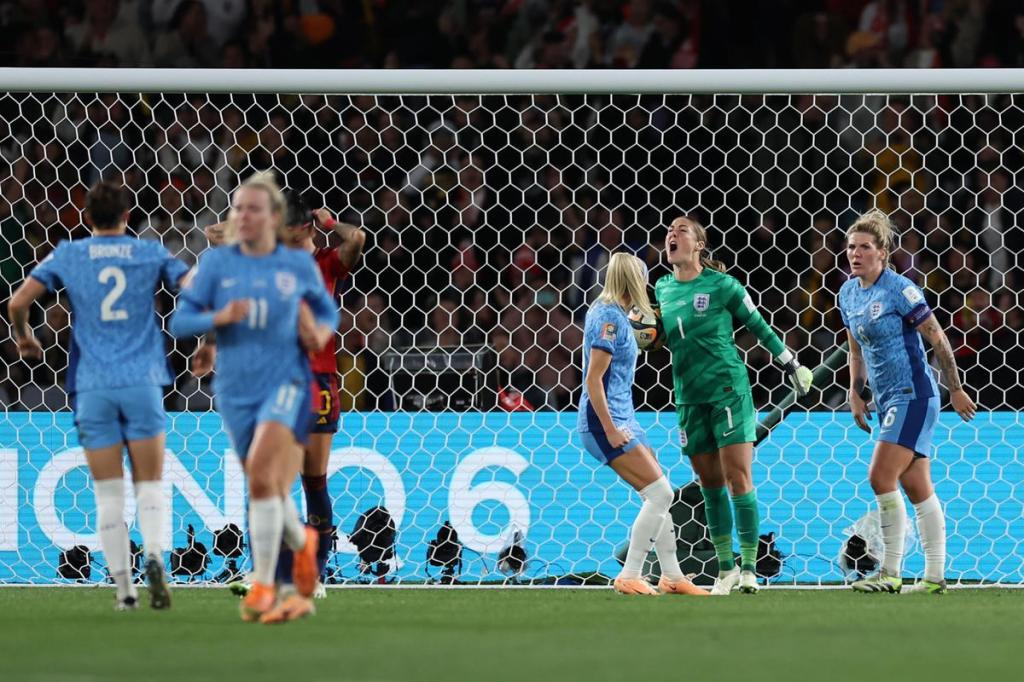
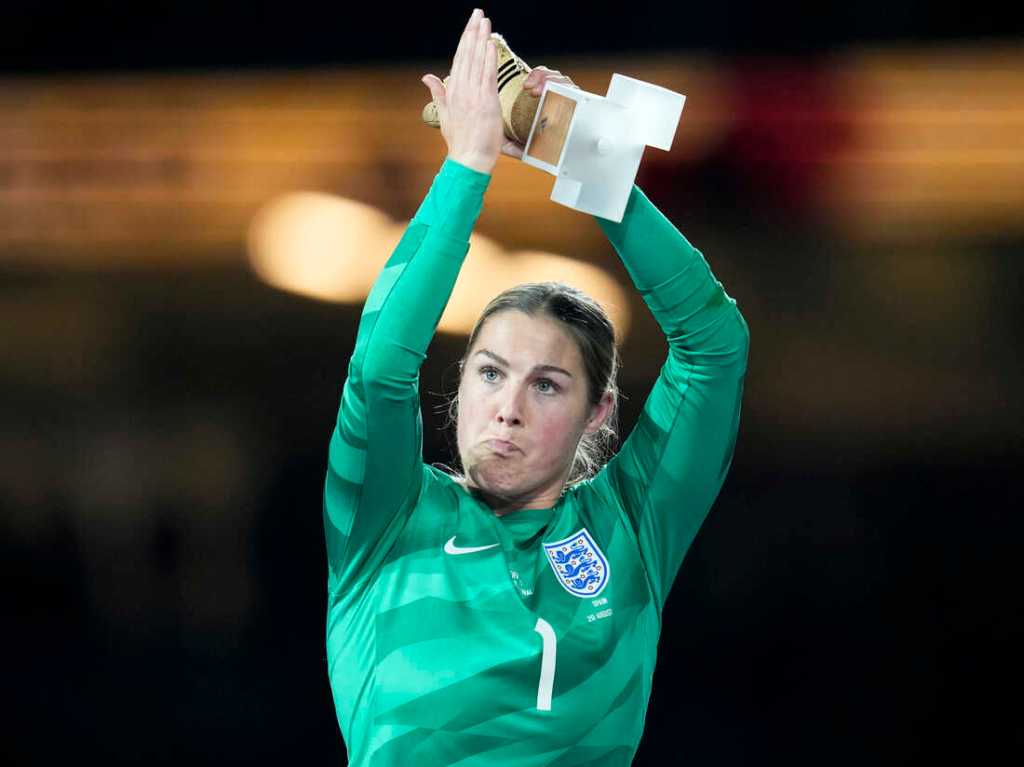
Even if you did not follow the English football team during the World Cup, the name Mary Earps is probably one you have heard. Earlier this year she was named the World’s Best Goalkeeper by FIFA and she took home the Golden Glove after the World Cup, marking her out as the tournament’s best keeper, as well as grabbing headlines with a dramatic penalty save in the final.
Earps was even outspoken at the start of the World Cup about the fact that Nike, which creates the England kit, had not made a replica jersey available for fans to buy, despite making them for her outfield teammates. It was a move she described as “hugely disappointing”.
That seems like an understatement; this was an epic misstep by Nike and one only made worse by the public and seemingly condescending way the brand handled it. Women’s football is on the rise worldwide. Coming off the back of the Lioness’ victory at last season’s Euros, interest in this year’s tournament was at an all-time high in England, and Earps went into the tournament as vice captain and one of the team’s top stars.
But Nike simply didn’t bother to make her shirt. They found time to create goalkeeper kits for Earps’ counterparts at Paris Saint Germain, Barcelona and Tottenham, but the England number 1 shirt was seemingly not a priority. This, despite the fact that Earps’ Manchester United Super League jersey sold out last season.
But we all make mistakes. Every business makes its oversights, reactions are misjudged, people get things wrong. But we live today in a world where shoppers expect brands to be accountable and engaged. In that context Nike’s actions during the World Cup become simply baffling.
While Earps called the brand out, a petition was also launched to get the shirts made, which got more than 150,000 signatures. You would have thought that might be a hint that action was worth taking. Instead, Nike released a statement after the tournament lauding the importance of women’s football and promising to see if they could sort anything out for the future.
It is a statement so at odds with the public discourse around the matter that it should be read to be believed:
Nike is committed to women’s football and we’re excited by the passion around this year’s tournament and by the Lionesses to make it into the final.
We hear and understand the desire for a retail version of a goalkeeper jersey and we are working towards solutions for future tournaments, in partnership with FIFA and the federations. The fact that there’s a conversation on this topic is testament to the continued passion and energy around the women’s game and we believe that’s encouraging.
Earps responded asking if the statement was the company’s version of an apology. To commend the conversation around the need for a jersey and the passion for women’s football, while offering to do little more than look into creating shirts in the future is bafflingly out of touch for a brand which has made millions by judging public demand right.
I understand that goalkeeper shirts are probably not an obvious winner for brands. They are a unique look which is worn by only one player. The market is naturally smaller. But David Seaman’s awful Euro ’96 ‘pizza’ shirt was available for sale.
The simple fact, it seems, is that Nike did not believe Mary Earps’ jersey was worth making. They did not invest in it because they did not believe in it. That is a business decision, but it is also arch hypocrisy from a brand which is raking in money from the tournament and praising the increased engagement with the women’s game. The company even released its What The Football campaign touting the World Cup earlier this summer.
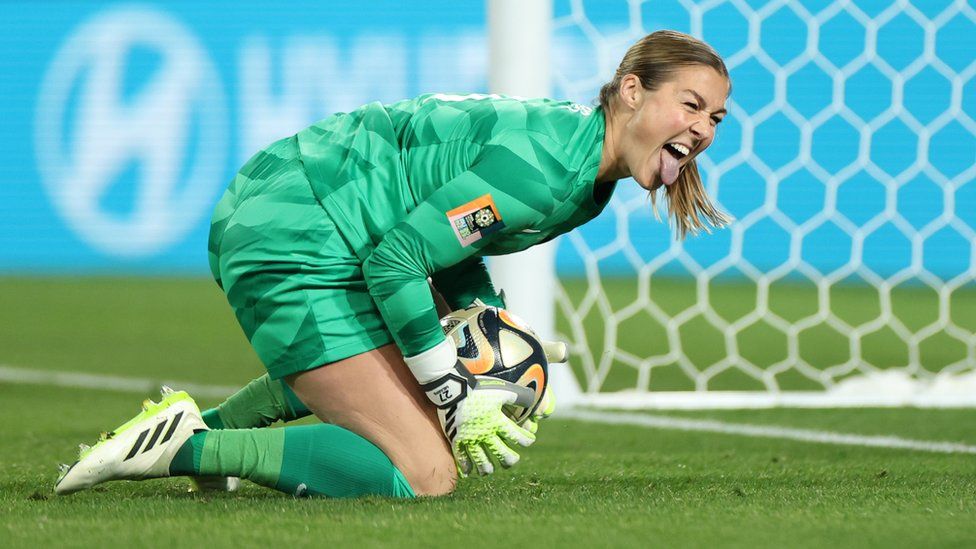
But talking about investing in and supporting something and actually doing so are two different things. Today, customers and fans can tell the difference and brands such as Nike should know better than to think they can pay lip service to major issues and not deliver.
Nike certainly got a lot of publicity out of their investment in this World Cup, in the UK at least, it is probably not the publicity they wanted, and they only have themselves to blame.
 Millennial get
Leave a comment